您暂无未读询盘信息!


Business
 Contacts:**总
 Tel:13991327476
 Address:Room 630, 6th floor, scientific and technological achievements transformation center, Xi'an University of Electronic Science and technology, No. 3, Keji 7th Road, high tech Zone, Xi'an, Shaanxi
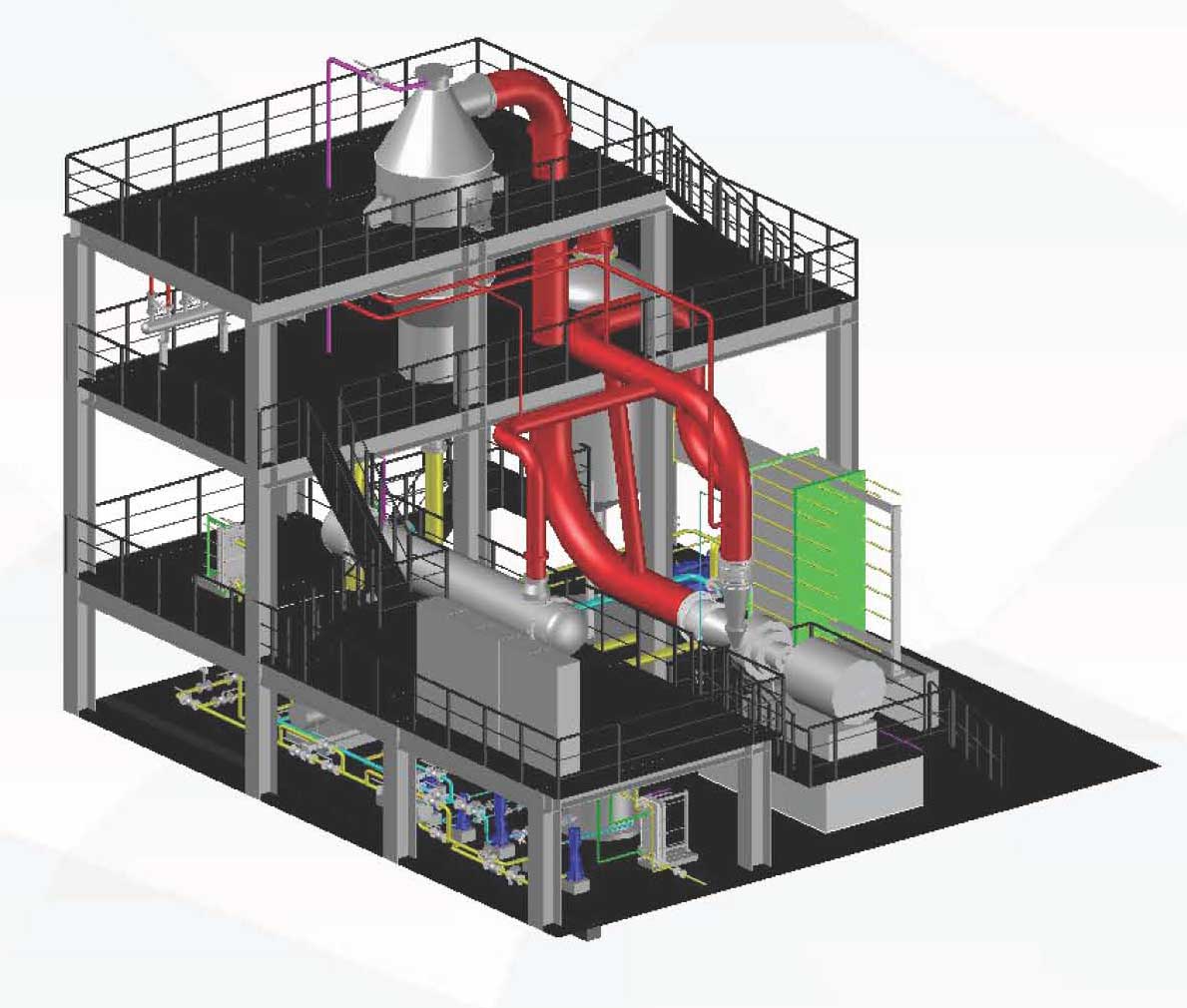
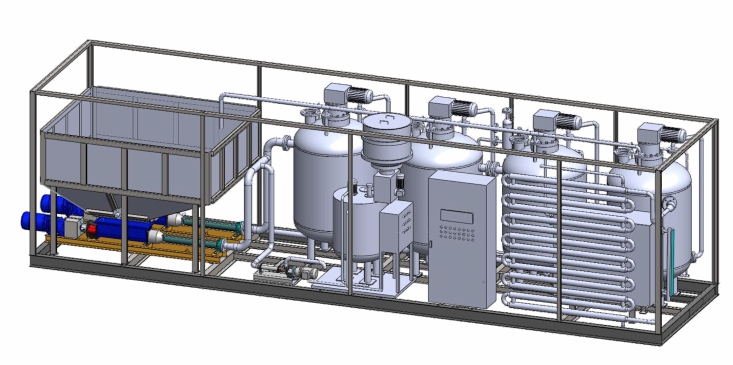
Continuous sludge thermal hydrolysis treatment technology is an efficient environmental sludge treatment technology developed by conyz environmental protection technology (Dalian) Co., Ltd., Dalian Institute of Chemical Physics, Chinese Academy of Sciences and relevant scientific research and technical teams of energy and Power College, Dalian University of technology. The technology innovation adopts chemical thermal hydrolysis reaction to effectively degrade the refractory active pollutants in sludge. The core lies in heating the sludge to a certain temperature in a continuous reaction process by adding a small amount of chemicals. Under the joint action of chemicals, temperature and mechanical disturbance, the microbial cell wall is broken, the microbial micelle and cell capsule lose their activity, and the microbial cell is fine The solid-liquid separation of the fully reacted sludge liquid results in high degree of reduction and harmlessness, stable treatment effect, high consistency and low treatment
The traditional thermal hydrolysis process is generally high-temperature sequencing batch thermolysis, and its core goal is to improve the anaerobic digestion performance of sludge through thermolysis, and the solid-liquid separation link is after anaerobic digestion. The biggest difference between our company's thermal hydrolysis reaction and traditional thermal hydrolysis process is the continuous medium and low temperature reaction, and the solid-liquid separation is carried out after thermolysis, so as to achieve the goals of sludge disposal and improve the qua lity of filtrate Resource, energy or collaborative processing.
 Tel:13991327476
 Email:70407135@qq.com
 Page location :